
Posts

When College Admissions Influencers Spread Misinformation
August 25th, 2026
For high school students applying to competitive colleges, social media has become a major source of admissions advice. TikTok, Instagram, and YouTube are filled with students, consultants, and self-proclaimed admissions experts offering tips on essays, extracurriculars, test scores, and getting into top universities. While some of this advice can be useful, misleading information can spread quickly when it comes from someone with a large following.
Arizona’s School Voucher Program and the $2,000 Audit Threshold
August 15th, 2026
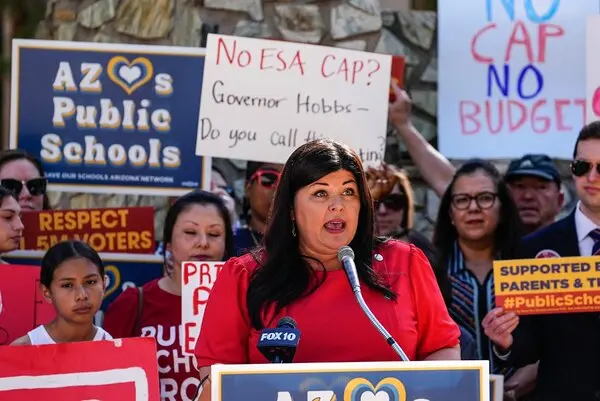
Arizona’s Empowerment Scholarship Account (ESA) program has grown rapidly, providing public money to families for private school tuition, tutoring, educational supplies, and other approved expenses. With that growth has come concern about whether the state has enough safeguards to prevent fraud and improper spending.
Cell Phone Bans in Schools: Do They Improve Learning?
March 29th, 2026
Cell phone bans in schools have become one of the fastest-growing education policies in the United States. These policies restrict or completely prohibit student phone use during the school day, with the goal of reducing distractions, improving academic performance, and addressing concerns about student mental health.
Financial Literacy Education
March 16th, 2026
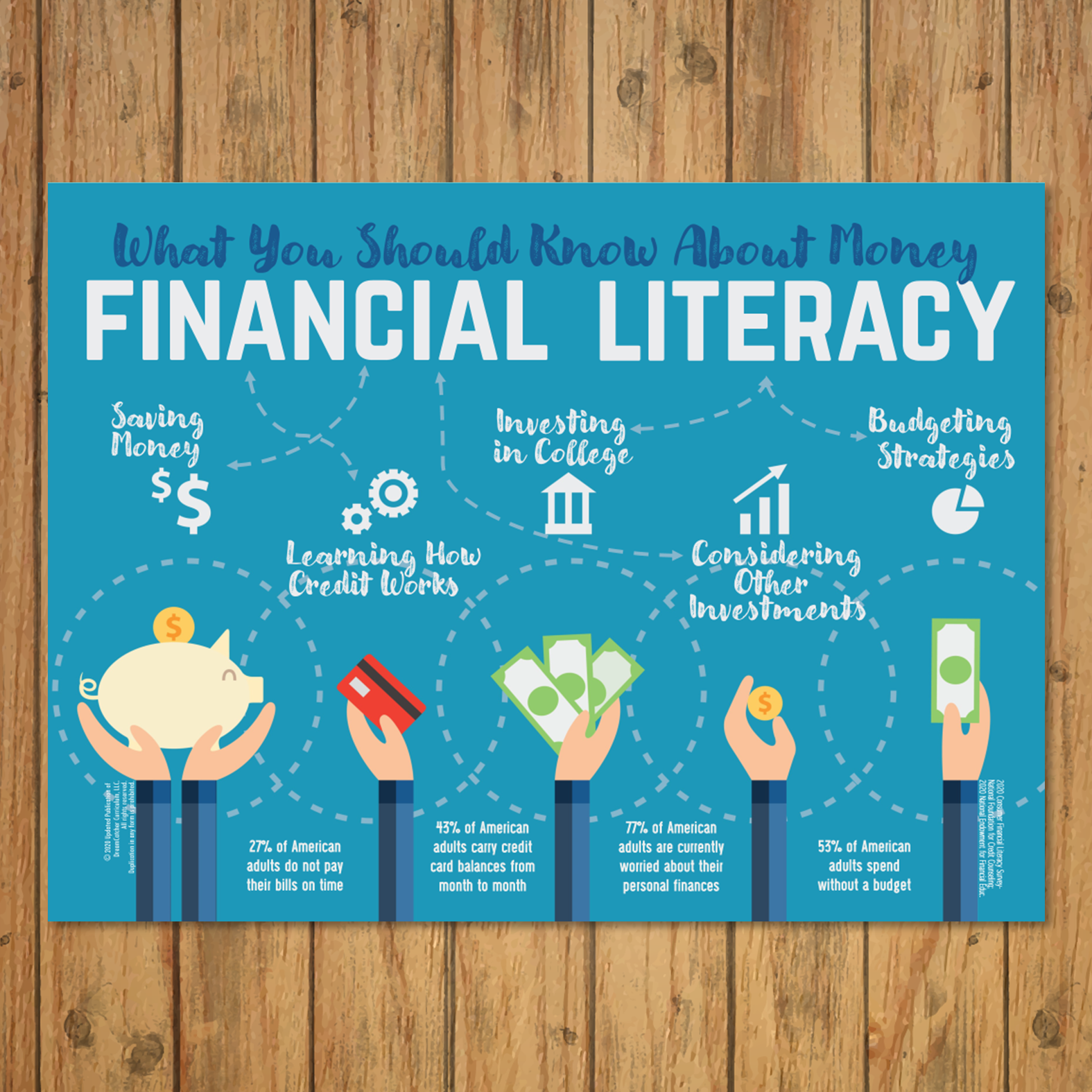
Financial literacy education has become an increasingly important education policy as policymakers recognize that many students graduate without the skills needed to manage money effectively. Financial literacy courses typically teach students how to budget, save, manage credit, understand taxes, and make informed decisions about loans and investments.

Performance-Based Funding in Higher Ed
March 1st, 2026
Performance-based funding is a higher education policy that ties a portion of public college funding to measurable outcomes rather than simply enrollment. Instead of receiving money based only on how many students attend, institutions are rewarded for results such as graduation rates, course completion, job placement, and degrees awarded in high-demand fields.
Falling Out of Love with School: How Policy Can Address Chronic Absenteeism
February 15th, 2026
Chronic absenteeism, defined as missing 10% or more of the school year (about 18 days in a 180-day calendar), has become one of the most pressing education challenges in the United States. According to theDepartment of Education, roughly 28% of students were chronically absent in the 2022–23 school year

International Education Benchmarks
International education benchmarks play a crucial role in helping countries understand how well their students are performing compared to peers around the world. These large-scale assessments measure student achievement in core subjects such as reading, mathematics, and science, providing policymakers with data to evaluate education systems, identify inequities, and guide reforms.

Education Policy in 2026
January 13th, 2026
2026 looks like it will no longer be shaped mainly by abstract goals or pilot programs. Instead, governments and education systems are translating long-discussed ideas, artificial intelligence, skills-based learning, student well-being, and equity, into explicit laws, mandates, and national frameworks. The result is a policy environment defined by implementation rather than experimentation.

Why Early Childhood Education Matters
January 11th, 2026
Early Childhood Education (ECE), programs for children from birth to age five, is a critical education policy issue today ECE doesn’t just affect schools; it impacts workforce participation, and long-term societal well-being. The major challenge is simultaneously achieving access, quality, and affordability for ECE.

Understanding Opportunity Gaps in Education
In the United States, the phrase “opportunity gap” refers to the unequal access that students have to the conditions and resources that support learning. These gaps are not about differences in ability. They are about differences in the chances students are given to succeed.

Why Mental Health Services in Schools Matter
November 16th, 2025
Mental health has become one of the most urgent issues facing schools today, as rising rates of anxiety, depression, and stress continue to affect children and adolescents. Educators, families, and policymakers increasingly recognize that students’ emotional well-being is inseparable from their academic success.
STEM vs. Humanities: Rethinking Our Education Funding Priorities
October 29th, 2025
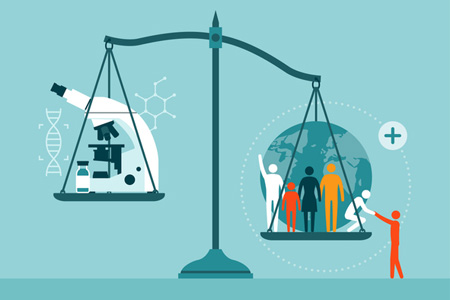
In the United States, the funding gap between STEM and the humanities has become one of the most persistent and least discussed divides in education policy. Policymakers frequently justify large STEM investments as essential for economic competitiveness and innovation, but the imbalance raises deeper questions about what kind of education we value as a society.

Poland’s Education Reforms: The Growing Threat of Government-Controlled Content
October 10th, 2025
Poland’s education system has undergone significant changes that have sparked a heated debate about the role of the state in shaping the curriculum and controlling textbooks. Under the leadership of the Law and Justice Party, the government has introduced reforms aimed at strengthening national identity, reinforcing conservative values, and promoting patriotism.
Have Schools Finally Become Safe?
September 25th, 2025
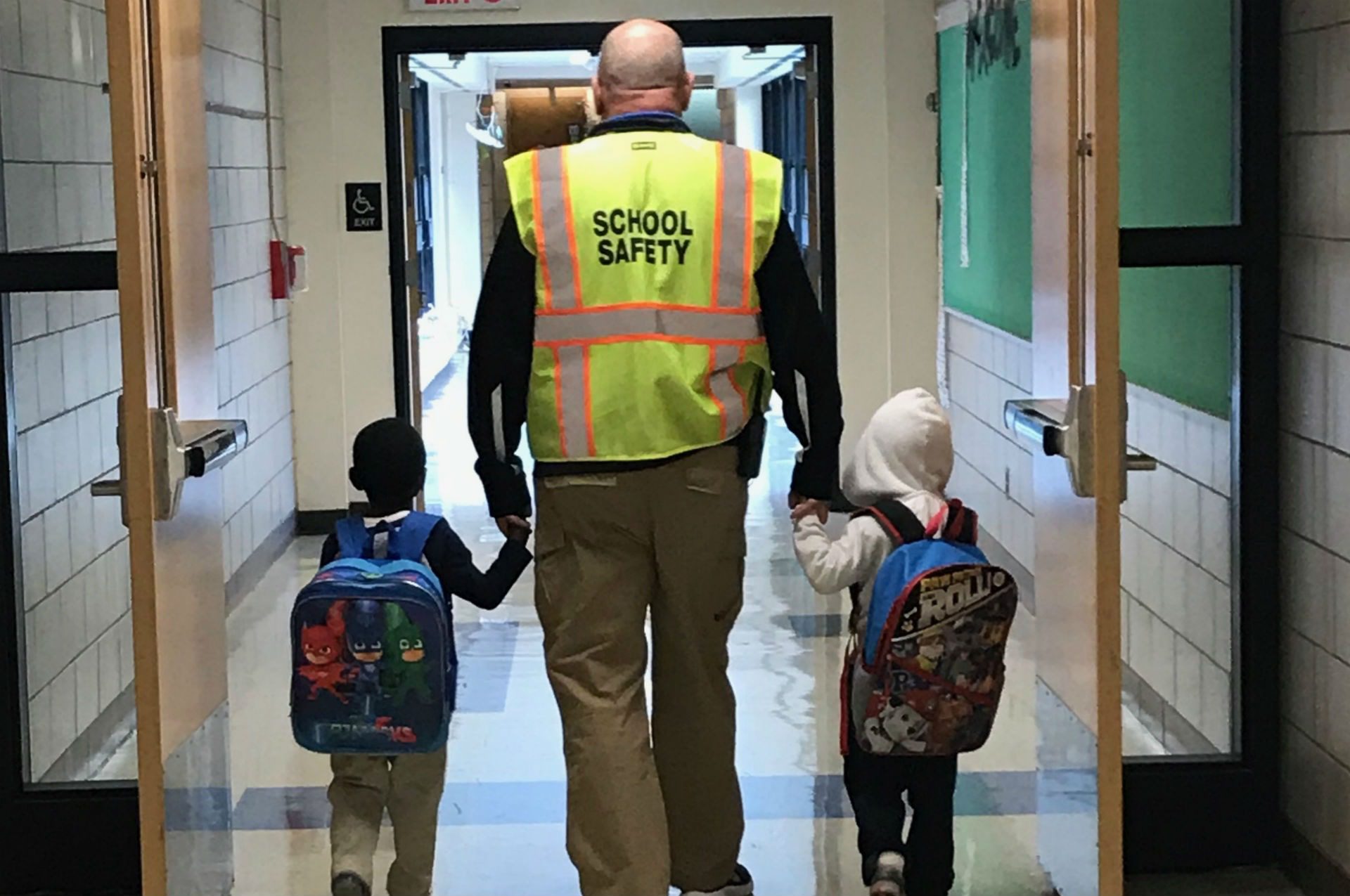
School safety is one of the most pressing and impactful issues facing the U.S.’ education system. This problem has gone on for decades and it’s time to confront whether real progress has been made.

Teaching: Comparing Finland and the U.S.

The Rising Cost of School Supplies Hits Poor and Minority Families Hardest
August 26th, 2025
With back-to-school season occurring right now, it’s important to recognize that what might be a seasonal task for many, can be a financial crisis for low-income and minority families across the country. Rising inflation, expanded classroom requirements, and shrinking school budgets have turned the annual shopping list into a major economic burden.
New Jersey’s Modern-Day Brown v. Board

Decolonizing Education in South Africa: A Path to Transformation
August 7th, 2025
The fight to decolonize education in South Africa is intertwined with the country’s history of colonialism and apartheid. For centuries, South African education systems were structured to serve the needs of the colonizers, sidelining indigenous cultures and knowledge systems. The post-apartheid era, however, has seen an increasing demand for educational reform.

Closing the Digital Divide in Education: A Persistent Policy Challenge
July 31st, 2025
The digital divide continues to be one of the most pressing education policy issues in the U.S. As technology becomes increasingly embedded in learning, students without access to reliable internet and digital devices are at a significant disadvantage. Efforts to bridge the gap have included local, state, and federal programs.
Dismantling the Department of Education: What’s Really Happening?
July 20th, 2025
In March 2025, the Trump administration began a sweeping effort to dismantle the U.S. Department of Education. However, fully closing it requires congressional action, which remains unlikely. So what’s really happening?
Why the Supreme Court's LGBTQ Curriculum Ruling is Alarming
July 9th, 2025
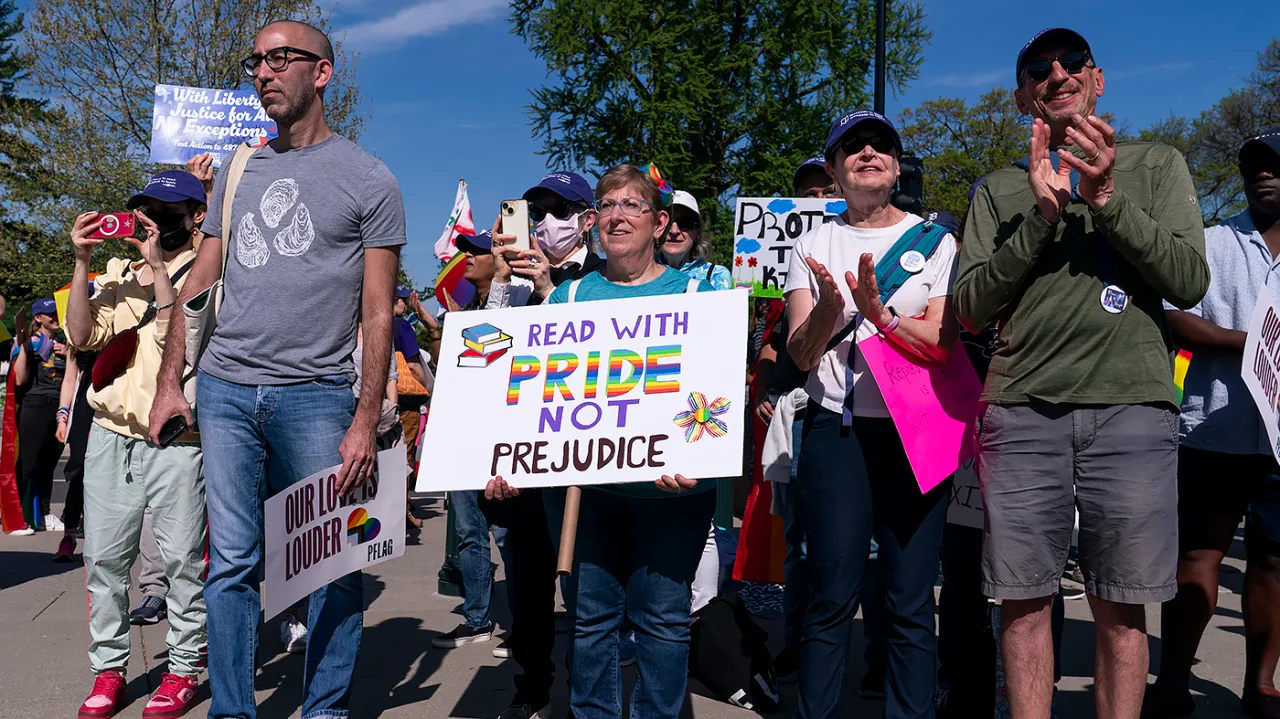
The Supreme Court’s recent ruling in Mahmoud v. Taylor, allows parents to opt their kids out of learning containing LGBTQ content or references. This could set a dangerous precedent for public education that could threaten our current unified and inclusive education system.
New Jersey’s Response to Education Funding Cuts
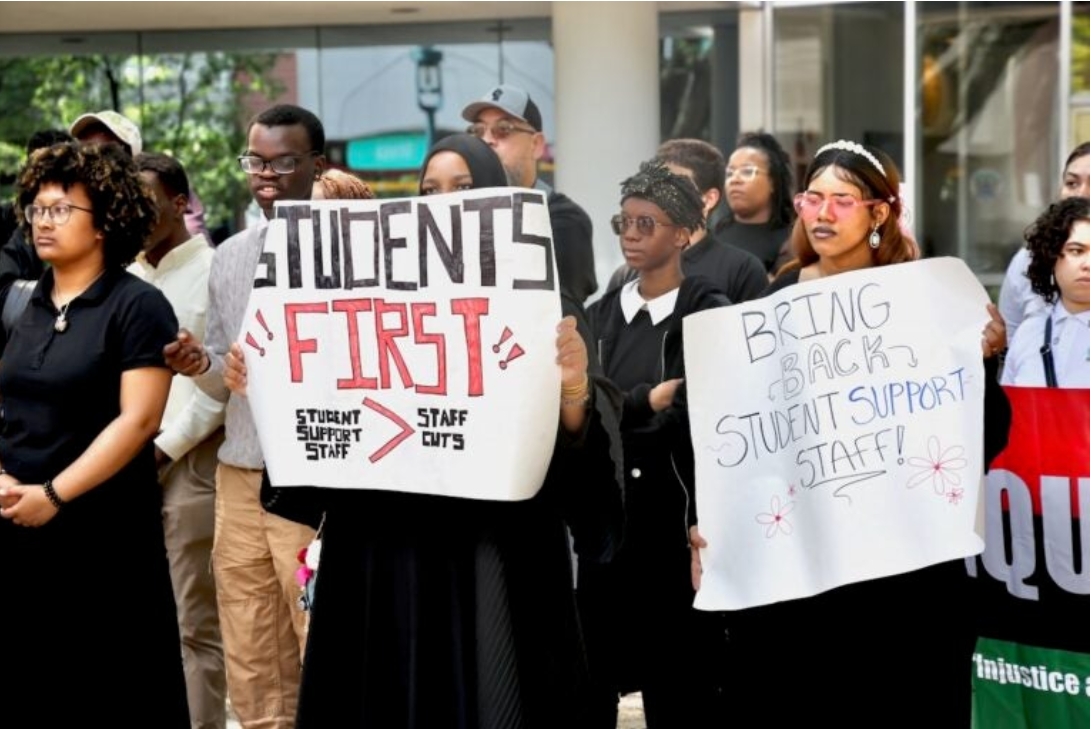
In response to funding cuts, New Jersey has had a strong response. On the one hand, New Jersey’s Acting Commissioner of Education, Kevin Dehmer refused to certify that the state had dismantled DEI. On the other hand, students have taken action as well, in Camden, they rallied outside the State Board of Education to protest incoming mass layoffs of staff.

Book Bans and the Freedom to Read
Books bans have recently swept across the U.S. like a wildfire. While their supporters claim they want to protect children, in reality, these bans are threatening the freedom to read for children across the country.
Teacher Shortages: Hurt Marginalized Students More
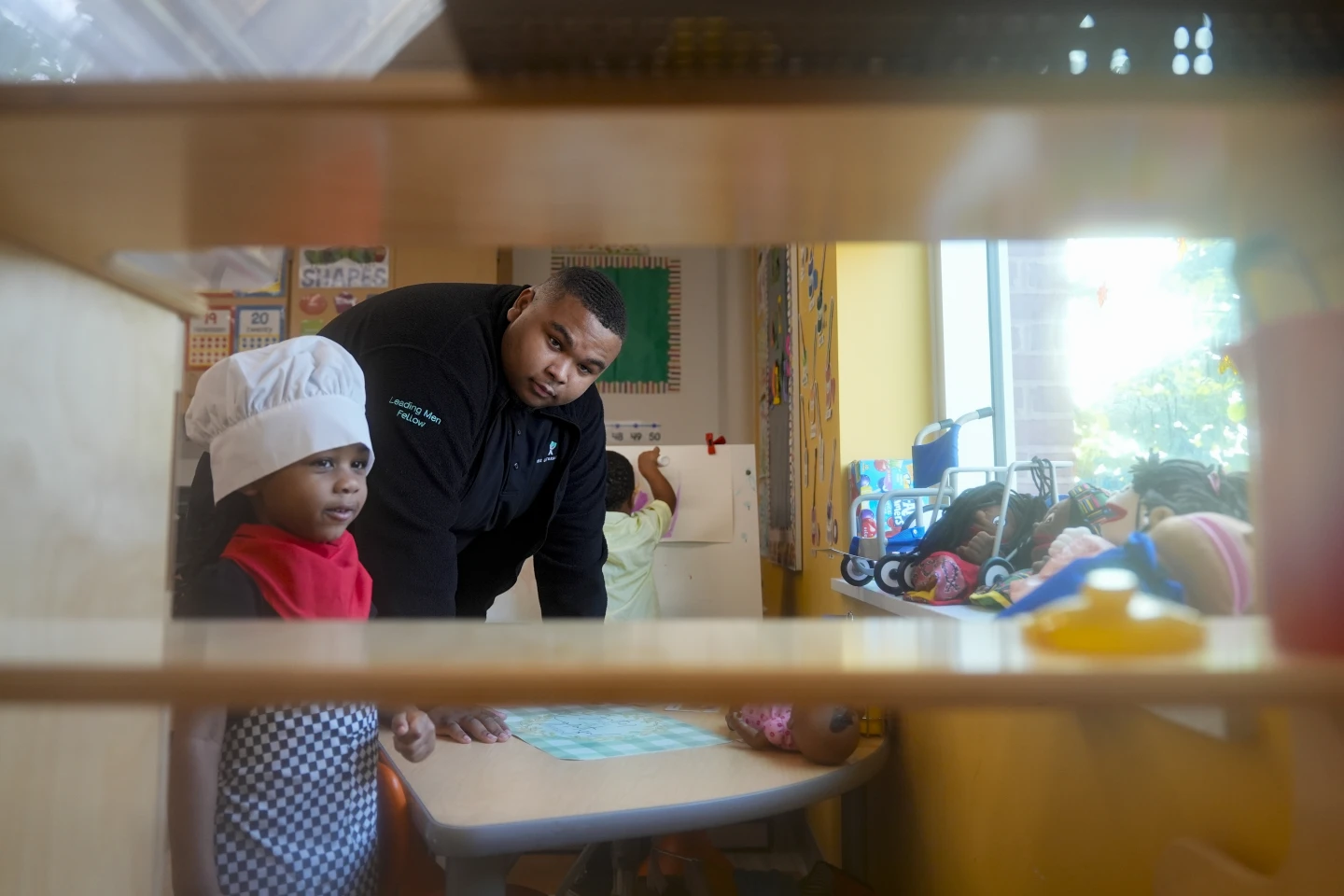
While teacher shortages have become a national issue in recent years, they hurt low-income and minorities students far more. Urban districts often cannot compete with the wages of wealthier districts forcing them to rely on emergency certifications and fast-track hiring which ultimately lead to worse learning for the students they serve.

Advanced Courses and Unequal Opportunity
Advanced course such as AP, IB, and dual enrollment are not available to everyone especially, low-income students and minorities. For example, did you know that majority white schools in North Carolina offer on average 5 more AP courses than schools serving mostly students of color. This is just one of many examples of the extreme opportunity gap that exists in these courses.
Texas’ Senate Bill 10, Imposing Religion in School
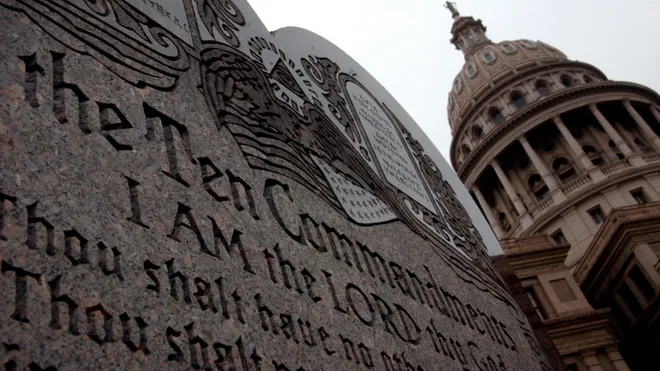
Texas’ Senate Bill 10 requires all public school classrooms to include the Ten Commandments. What does this bill mean for the future of religion in school? Read on to find out how this bill could serve as a grave omen for the future of public education.
Restorative Justice’s Success in Oakland Schools
April 27th, 2025
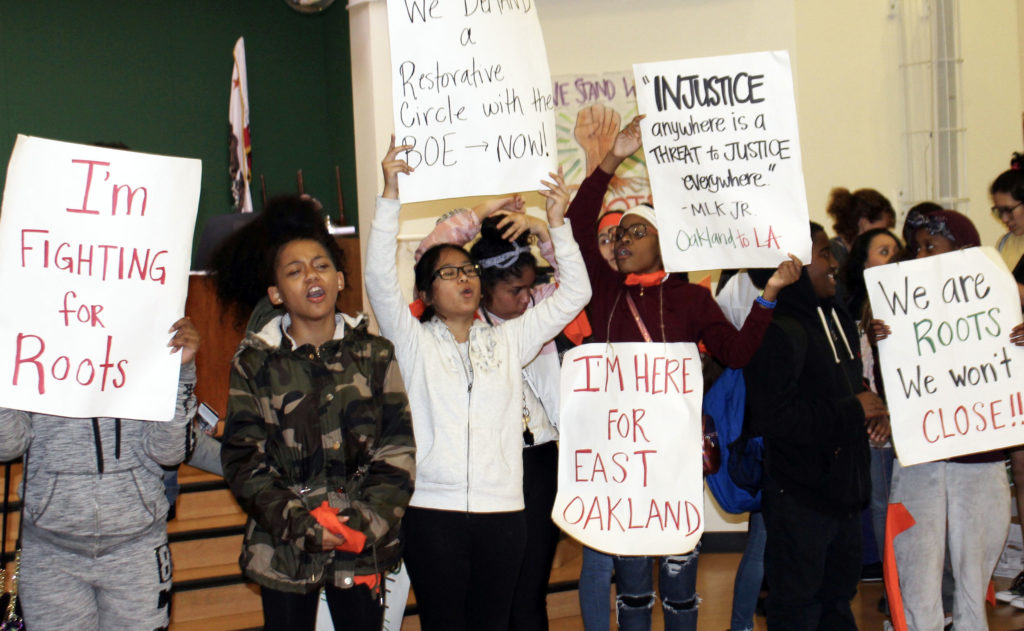
In 2007 Oakland Unified School District made a bold move by implementing restorative justice at Cole Middle School instead of a traditional discipline system. Today this system has spread across the whole district and had a massive positive impact in fighting the school to prison pipeline.
Equity in Magnet Schools
April 12th, 2025
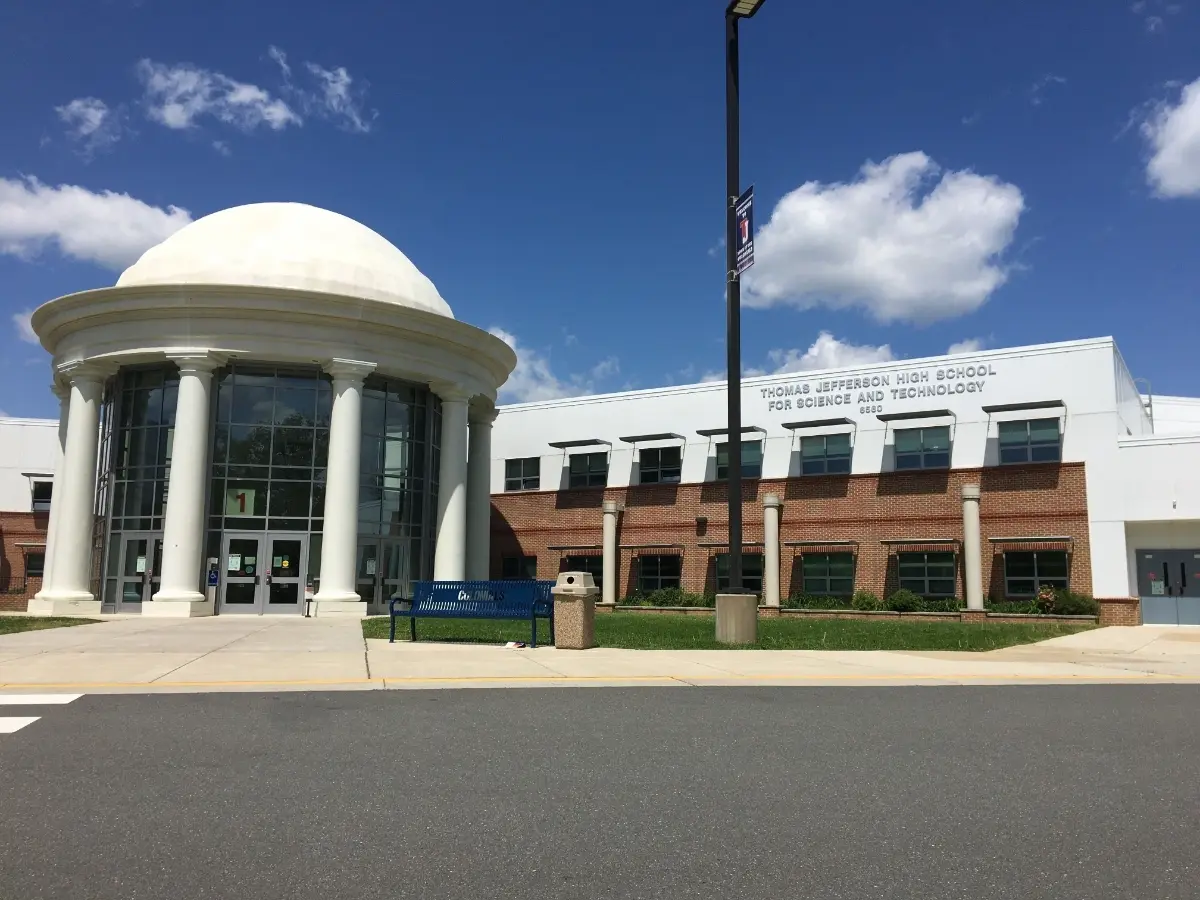
Magnet Schools offer high quality specialized education that can be accessible to students regardless of their zip code, but they have been plagued by equity concerns. Thomas Jefferson high school and its handle of this issue has became national story, and its handling reveals important lesson to creating more equitable Magnet Schools.
The Flaws of School Vouchers
March 29th, 2025
While school vouchers are often presented as a lifeline to save families stuck in failing public schools, in practice, they fail to live up these lofty expectations. In fact, they can actually worsen inequality.

Every child is gifted and talented: Lesson from China’s Gifted Youth program
March 15th, 2025
China has some of the highest performances in education across the world; however, they implement tracking far later than in the U.S. This begs the question what can U.S. educators learn from China’s apporach to gifted and talented
The Critical Race Theory Panic: A Solution in Search of a Problem
March 7th, 2025
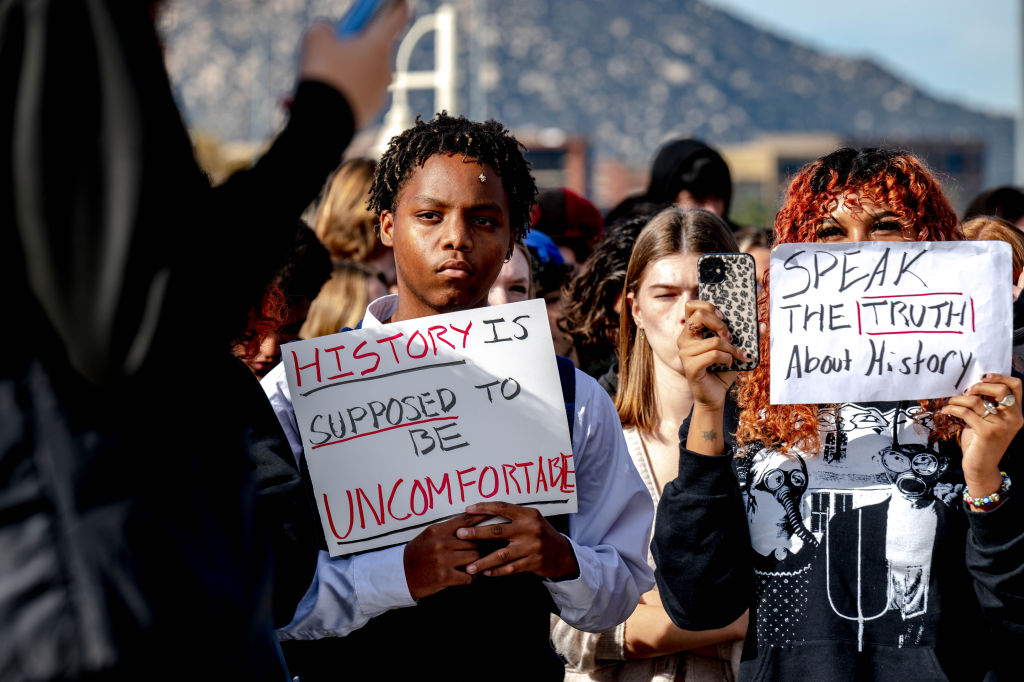
In recent years, the term “Critical Race Theory” (CRT) has become a political lightning rod, fueling school board debates, legislative bans, and media outrage. But despite the intense reaction, CRT is not actually taught in K–12 schools, and most people don’t even know what it is.
When College Credits Don’t Transfer: A Hidden Barrier for Low-Income and Minority Students
February 19th, 2025
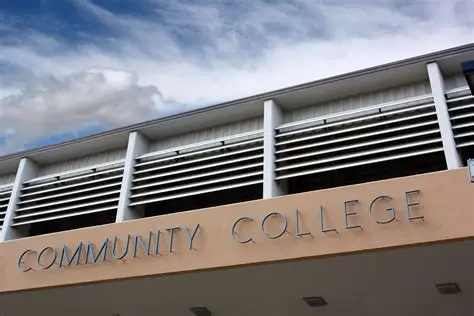
Community colleges serve as a critical access point to higher education, especially for low-income and minority students. But that pathway often breaks down when students attempt to transfer their credits to universities, and that failure is costing students both time and money.
School Safety: Progress Made, But Much More Is Needed
February 6th, 2025
School safety remains a critical concern for students, parents, and educators nationwide. Over the past decade, many schools have adopted new security measures such as surveillance cameras and anonymous threat-reporting systems but gaps persist and much more can be done to ensure every child learns in a safe environment.

Why a Meritocratic Education System Doesn’t Add Up
January 24th, 2025
The idea that education operates as a meritocracy sounds appealing. It means that anyone who works hard and shows talent can succeed. But in practice, the American education system is built on a foundation of inequality that makes such outcomes unlikely for many students.
Inequity of School Funding
January 10th, 2025
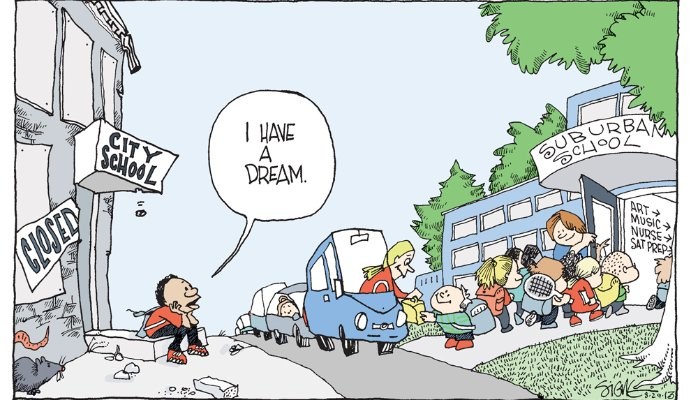
Many support the current school funding system because they believe local control ensures schools reflect the values and priorities of their communities. However, this approach to school funding has created vast and measurable inequities across the United States.
Bridging or Widening the Gap? Technology, Schools, and Equity
December 26th, 2024
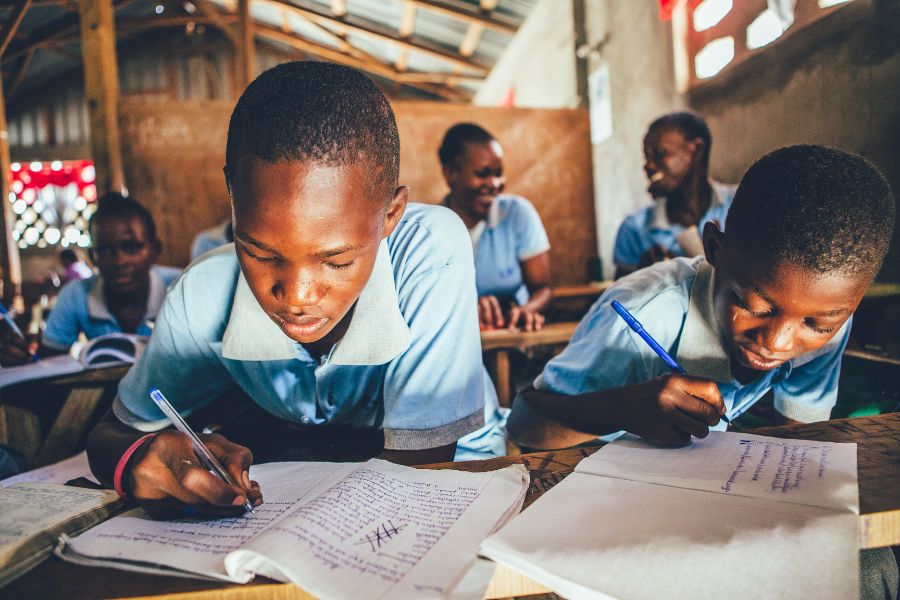
Technology has reshaped classrooms around the world. In theory, digital tools can level the playing field; however, unequal access to devices, broadband, and digital literacy often reinforces the very inequities schools aim to eliminate.

The Downsides of Tracking
December 12th, 2024
While some argue that tracking places students of similar academic achievement together to maximize learning, this ignores how it perpetuates the math achievement gap through disproportionately favoring higher income and white students.

Equity vs. Fairness in Standardized Testing: Are We Measuring Merit or Privilege?
November 21th, 2024
While Many claim that standardized testing provides an equal and fair way to measure learning. When examined more closely, it’s clear this narrative doesn’t hold up. Read to learn why equal doesn’t equal fair.

Why School Lunch Policy Matters More Than Ever
November 8th, 2024
While school lunch is likely not what most people think of when it comes to education policy issues, school lunch in recent years has grown into a significant issue. Wiht acts like the Healthy, Hunger Free Kids Act greatly changing how schools apporach lunches.

The Importance of Education Programs for ESL Students

Paulo Freire: Education as the Practice of Freedom
Paulo Freire revolutionized education in the 20th century. His critical pedagogy sought to reimagine teaching as a collaborative act of liberation rather than mere transmission. His work especially pedagogy of the oppresed, serves as a major inspiration for this blog.

Closing the Math Gap: How the U.S. Can Catch Up Internationally
September 19th, 2024
The U.S. has long scored below average in math on the Program for International Student Assessment largely due to significant gap in performance by race and income. However, there exists promise polices in closing this gap and making the U.S. education more competeive on the international stage.